

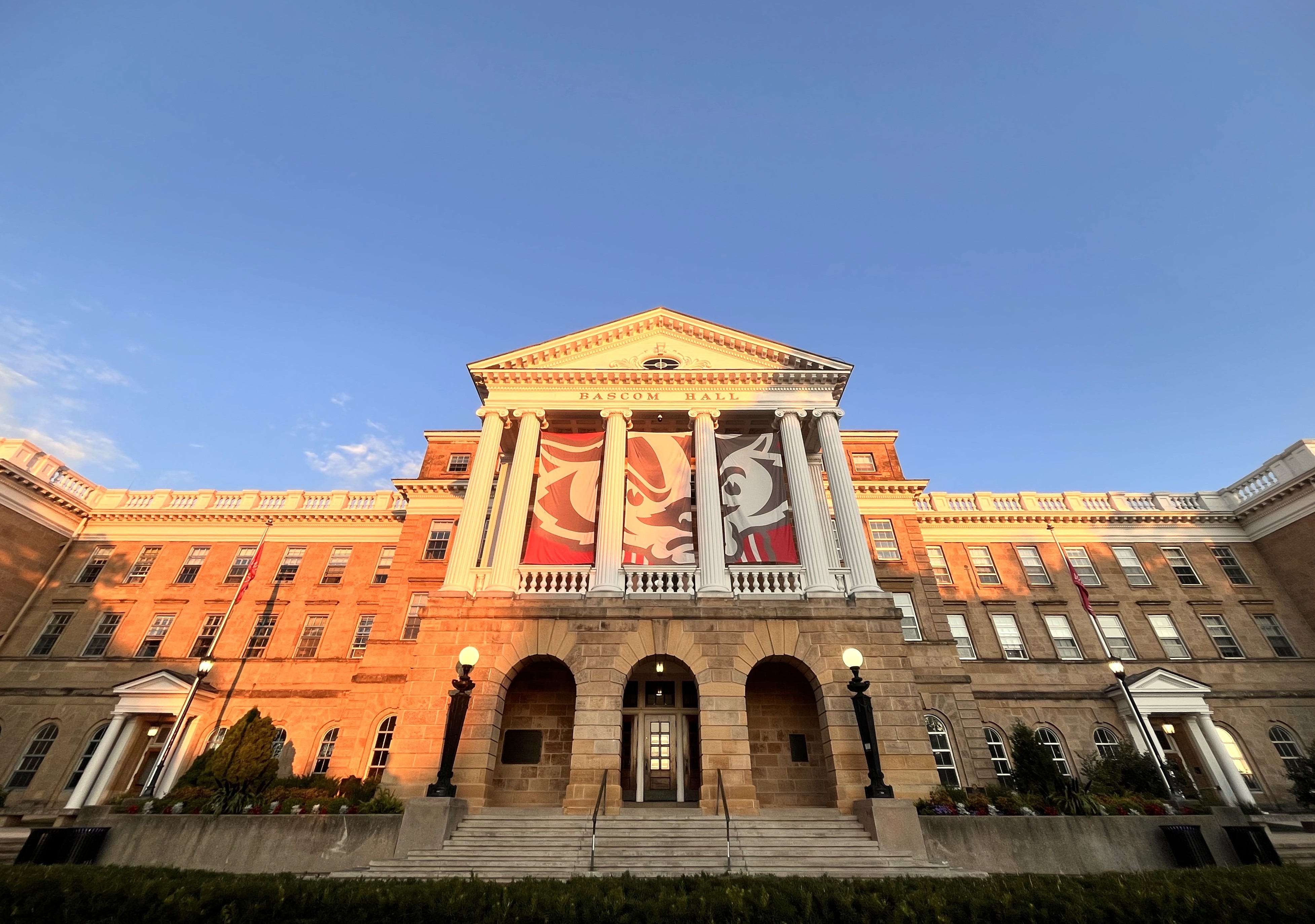
UW–Madison’s ACT and SAT requirement remains suspended through the spring 2028 term, but the UW System Board of Regents has not decided whether to extend that waiver to fall 2028 and beyond. That unresolved decision gives Wisconsin an opportunity to examine what standardized tests contribute to admissions — and what applicants lose when scores are optional.
The testing requirement should be restored as part of the broader admissions review. But that decision should rest on evidence about student success and educational opportunity, accompanied by a public explanation of how scores would be used.
The pandemic prompted a rapid expansion of test-optional admissions as access to exams was disrupted. An Urban Institute analysis published in 2021 and revised in 2022 reported that the number of four-year institutions with test-optional policies had increased from 713 to 1,350 since spring 2020. Those figures document the early pandemic shift; they are not a current count.
Although some selective universities have since reinstated testing requirements, test-optional admissions remain widespread. According to Inside Higher Ed, which reported on FairTest data in August 2026, just 161 colleges required SAT or ACT scores for admission during the 2026–27 admissions cycle, representing about 7 percent of the 2,247 institutions surveyed. The data suggest that while the debate over standardized testing has intensified, most colleges have not returned to requiring scores.
UW–Madison’s existing policy does not eliminate academic scrutiny. Its admissions office says day-to-day academic performance is the most important information in its holistic review, which considers grades, course selection and course rigor, supplemented by essays, an academic recommendation and other application materials. Test scores, when considered, are one factor. The university says applicants who omit scores will not be disadvantaged.
Still, other universities have concluded that scores add useful information. The University of Texas at Austin restored its testing requirement for fall 2025 admission. In announcing the change, UT reported that, among students entering in 2023, those who chose to have scores considered had an estimated first-semester GPA 0.86 points higher than those who did not, after accounting for factors including high school GPA and class rank. That association does not establish that requiring tests causes better performance, but it helps explain UT’s decision.
MIT announced its return to required testing in 2022, saying scores improved its ability to predict academic success, particularly in mathematics. MIT also argued that testing helped identify academically prepared students from disadvantaged backgrounds who lacked access to advanced coursework or other opportunities to demonstrate their preparation.
Those findings deserve attention, but they cannot substitute for evidence from Wisconsin. UW–Madison should examine whether scores improve predictions of success beyond grades and course rigor, and whether their usefulness varies across students’ educational backgrounds. Findings from other campuses do not establish that UW–Madison’s incoming students have become less prepared.
The University of California is considering similar questions. In a June 2026 announcement of an admissions-policy review, Academic Senate Chair Ahmet Palazoglu described college preparedness as a growing challenge and outlined plans to examine standardized testing and college-preparatory course requirements.
A July 22 update established an accelerated review schedule: UC’s Board of Admissions and Relations with Schools is to report on testing to the Academic Council by Feb. 12, 2027, with recommendations reaching the UC Board of Regents no later than June 2027. The announcement explicitly said testing policy had not changed and that requirements for fall 2028 remained undetermined. A review is an opportunity to assess evidence, not an endorsement of reinstatement.
Artificial intelligence adds another question to the debate, although its implications are more complicated than declaring application essays obsolete. The Associated Press reported that colleges are using AI to help evaluate application materials, including essays, while some require applicants to certify that they have not used AI unethically. The report does not establish that essays have become useless or that testing resolves concerns about authenticity. A proctored exam nevertheless offers a separate opportunity to assess a student’s performance under supervised conditions.
The case for testing must also address fairness. MIT’s explanation acknowledges the relationship between test performance and socioeconomic circumstances. Scores therefore require context; they should not become a rigid ranking of applicants’ potential. Any restored requirement should include clear guidance on fee waivers, access to testing and accommodations, along with advance notice for students and schools.
Before the fall 2028 policy is settled, UW–Madison and the regents should publish an analysis of how test scores relate to student outcomes and how a requirement could affect access. They should explain whether scores could also help identify students who would benefit from academic support.
A testing requirement can coexist with holistic review. UW–Madison should restore the ACT or SAT as one component of that process, with safeguards for access and a clear account of the evidence supporting its use.
