

Beware of cultural appropriation!
More than a decade after Yale University sparked national controversy for a memo that warned against culturally insensitive Halloween costumes, universities continue to promote similar guidance.
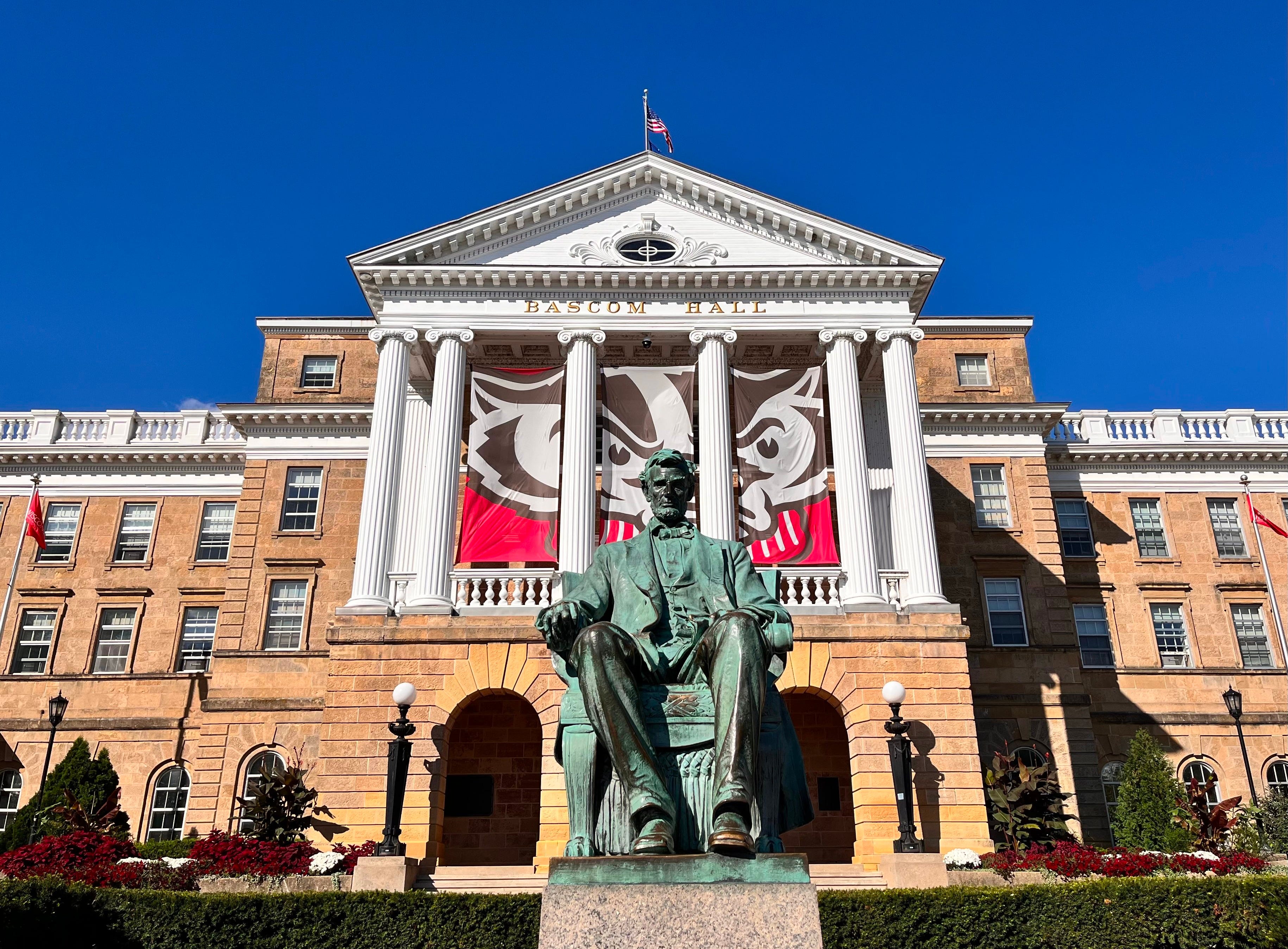
The University of Wisconsin-Madison shared a “Halloween Cultural Awareness” article from University Housing on its Instagram story on Oct. 30.
“Costumes that are culturally insensitive can negatively impact others,” the guidelines warn. “Before choosing a costume that represents a culture or an identity that you don’t hold, think about the significance of culture and how we can appreciate and learn from differing backgrounds rather than appropriating other identities in a harmful way.”
“Cultural Appropriation” is “when someone adopts aspects of a culture that’s not their own,” according to the article. It is “viewed as disrespectful when cultural elements are copied from a marginalized culture by members of the dominant culture and used outsize of their cultural context.” Examples included “Katy Perry’s approach in several music videos” and “stereotyped costumes.”
Students are encouraged to think about whether their costume comes “from a culture that has been historically or currently discriminated against or oppressed.” They are also encouraged to think about the significance or sacredness of costume items. For example, “Eagle feathers are earned in certain indigenous communities and gifted to individuals by elders of communities.”
The guide defines “cultural assimilation” as “when a minority ethnic group loses traditional cultural elements while gaining cultural elements from the ethnic majority over time, often for personal, economic, and political reasons.”
It provided the alternate definition: “when marginalized people adopt elements of the dominant culture in order to survive conditions that make life more of a struggle if they don’t.” Provided examples were “Immigrants/Refugees learning English as a second+ language” and “international students adopting English names.”
“Costumes should be creative and imaginative,” the guide says. “Consider how someone else would feel if you dressed like a stereotype or a culture that you do not directly identify with. Think about whether or not you’re turning someone’s everyday 21st century culture into a caricature.”
University Housing makes sure that students understand terms such as “Cultural Exchange” and “Cultural Appreciation.”
Cultural appreciation can include taking time to learn about and interact with a culture. Provided examples include “attending programs created by multicultural student organizations” and “studying abroad.”
“In the end, it’s your choice, but ask yourself if you would feel comfortable wearing your costume among people from that culture,” the guide concludes. “Would it feel awkward? How would it be received? Would someone call you out? Would it go viral on social media? Think about your decisions.”
The guide was also shared by Student Affairs, which warned: “Culture is not a costume. Before choosing a costume that represents a culture or identity, consider its significance. Costumes that are racist, crude, or culturally insensitive negatively impact others.”
The link to the guide was quickly removed from the Instagram story, but the guide itself remains online.
The university says that the guide is not a formal policy. “UW-Madison supports free expression,” said UW-Madison spokesman John Lucas in an emailed statement to The Madison Federalist. “These postings are not intended to be a reference to policy or a warning about student conduct.”
The article appears to be a recycled version of Halloween costume guidelines that the university has used since at least 2022. The university has been providing similar guidance since at least 2018.
University Housing has an article on its website from 2024 titled, “Inclusive Language Series: Cultural Appreciation vs Cultural Appropriation.” It uses the “Cultural Appropriation” definition from Anti-Racist Daily and provides reflection questions for students to think about when choosing their costume.
Students are able to report other students to the university administration for conduct including “microaggressions” and “symbols” via an online bias report. The Foundation for Individual Rights and Expression has identified the bias reporting system at UW-Madison as potentially problematic, as “many policies fail to define the term bias at all, leaving students guessing as to what type of speech may land them in trouble with the administration.”