

For many years, digital technology and internet usage were portrayed as an opportunity to “escape” and disengage from the “real” world. However, as these technologies became more prevalent in our lives, the digital world has become heavily integrated into the real world. For many, these worlds are virtually synonymous.
There is now a growing market for products that could curb one’s usage of technology and a developing bipartisan debate on the impact of technology in education. To promote individual well-being and avoid disturbances in education, a more balanced and disciplined approach to digital technology usage must be enacted.
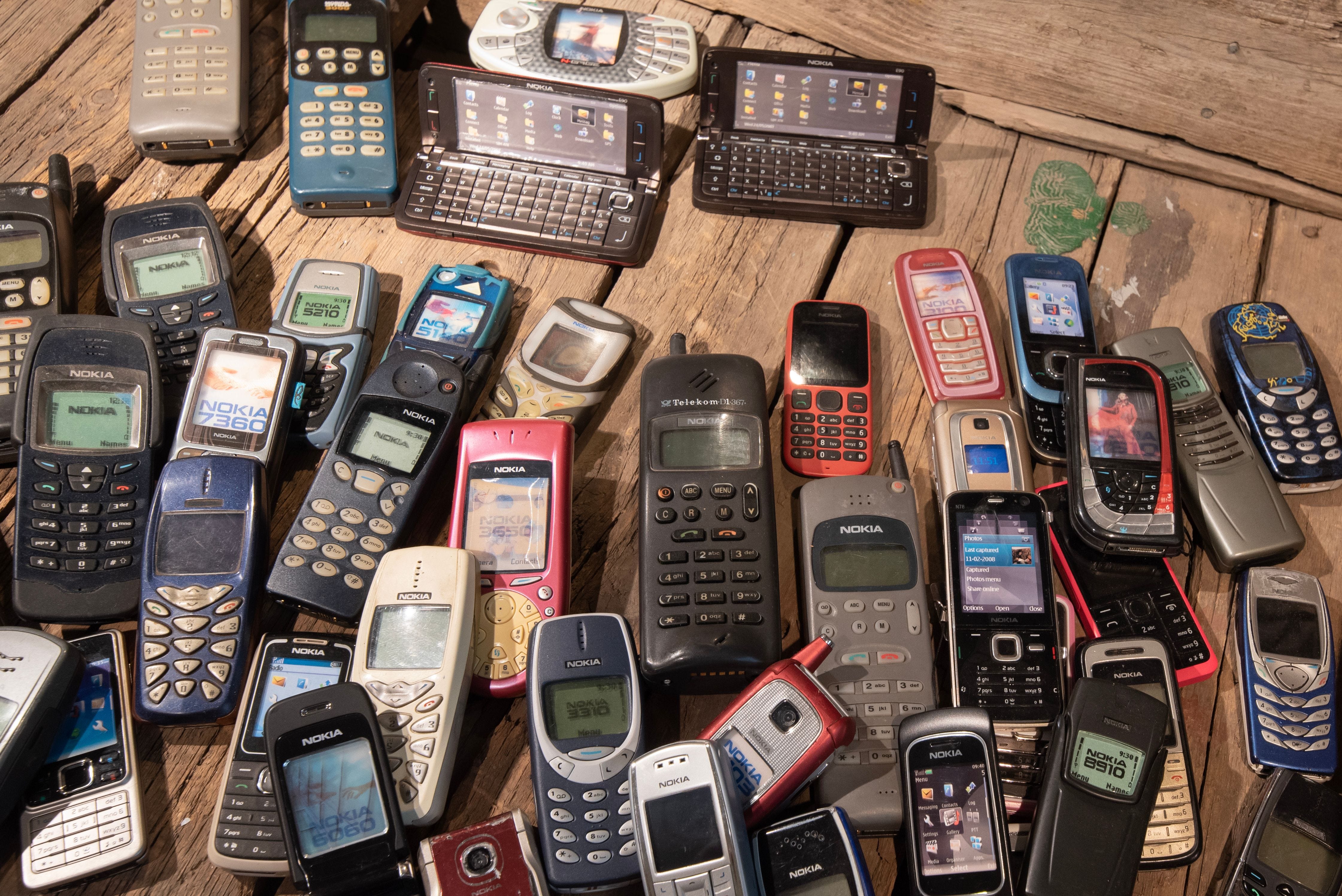
Retailers such as Target and Walmart have been selling lock boxes to store smartphone devices, including ones that are activated with a timer. In addition to this, cell phones with fewer capabilities or “dumb phones” have been soaring in sales over the past few years, as many people feel that they could help remedy smartphone and digital addiction.
Due to growing privacy concerns with smartphones and social media apps, some believe that using a more stripped-down cell phone with fewer capabilities would additionally decrease the amount of one’s data being collected and sold, along with screen time usage. On campus, some students are switching over to simpler cell phones.
While a simpler cell phone could help initiate people to self-discipline themselves from excessive social media and internet usage, they are not always a more private alternative, as it depends heavily on the device model.
Students and others concerned with screen time usage and preventing “doomscrolling” sometimes try to increase their productivity and enhance their life by removing distracting applications from their digital devices or by restricting access to them during class, work, or study hours. However, some still prefer to take a more hardline approach to limit screen time and promote more thoughtful and intentional usage of digital devices by using a less appealing device instead.
Different methods and actions aimed at reducing unnecessary usage of digital devices that do not positively impact one’s life are often associated with the term “digital minimalism,” coined by acclaimed computer scientist and Georgetown University professor Cal Newport.
In educational settings, many argue that using digital devices in classrooms often leads to distractions and unauthorized AI usage. The University of Chicago and Columbia University have already taken action and put new policies into place that forbid device and AI usage in certain courses. At UW-Madison, course instructors are allowed to set their own rules regarding technology usage while still complying with any disability accommodations. However, the same question still remains.
Some faculty in the Information School (iSchool) (now a part of UW-Madison’s College of Computing and Artificial Intelligence) are interested not only in digital and AI privacy concerns but also in exploring different aspects of digital minimalism and trying out courses that only use technology when necessary.
Clinton Castro, an assistant professor in the iSchool with an academic background in philosophy, has spent the past eight years investigating the ethical and attention aspects of digital minimalism and the attention economy through the lens of Kantian philosophy, which emphasizes personal autonomy and humanity.
In an interview, he explained that researchers have viewed social media as a “product market trap,” meaning that people do not actually want those things, but feel compelled to use them if everyone else is doing so. Social media is often a large contributing factor to frequent smartphone usage. He also explained that people need to understand that digital minimalism is not calling for digital eliminativism: a radical, impractical, and extremist ideology in favor of the removal of all digital technologies in our lives and our society.
He clarified by stating that the goal of digital minimalism is to make sure that our technologies are helping us fulfill our personal goals, and that it is a moderate approach to reforming technology usage in our lives in a practical way.
In addition to his research, he has also implemented aspects of digital minimalism into the courses he teaches.
Library and Information Studies (LIS) 461, Data and Algorithms: Ethics and Policy, is a large course he often teaches to around 150 students. Castro stated that he used an effective screen ban the last time he taught LIS 461, and student compliance with the ban “was one hundred percent.”
He articulated that it is crucial to implement these policies in ways that do not take away from learning or damage an instructor’s relationship with their students, and that instructors can change the formatting of course assignments and assessments so that students would not need to rely on screen usage or cheat using LLMs.
He also explained that often the easiest way to do so is by using blue books for assessments and implementing a “mastery-based grading” approach in the course. Contrary to what many would assume, he stated that not only was the course a much better experience, but even “students — both when it came to losing their phones and switching to blue books — were super happy. They really liked it, which is an interesting thing.”
In his experience, using a “mastery-based grading” approach raised the standards in the course, meaning students were seemingly turning in higher quality work, and were less likely to dispute their received grade. He also described students as grateful for the course’s effective screen ban, and he only heard positive feedback about the challenge of no screens, and that students felt they learned more effectively and had more opportunities to interact with peers and make new connections.
“When I take the phones away, it is like I am giving them permission to just pay attention and talk to each other,” he stated. While courses without screen usage seem difficult in the College of Computing and Artificial Intelligence, he believes that student engagement and satisfaction can be improved by only using screens when absolutely necessary, for example, when students are instructed to code or use specific software hands-on during the course session.
He stated that many other instructors in the college are not in favor of using software like Honorlock, which has many privacy concerns as it heavily surveils someone’s personal device, and prefer students to use institutional (UW-owned) devices where the instructor can set the usage parameters to still preserve the integrity of student work.
Castro also admired the current “dumb-phone” trend and stated that it is important to note that there is a spectrum from smartphone to dumbphone. Additionally, some ‘dumbphones’ can still allow one to access critical things such as maps, online boarding passes, and ride-sharing apps, which is a more practical approach in today’s society. He also stated that the critique of screen usage in education, and the promotion of screen-restricting policies, tends to gain cross-party support.
While each course and individuals’ needs vary, there is some early admiration on campus for digital minimalism, which involves using technology intentionally and only when necessary. It is possible in the future that more courses at UW will follow suit in order to promote student engagement and improve the integrity of academic work.
