

Public universities have found themselves in a complicated moment. Tuition continues to rise, political polarization has intensified and public trust in higher education has steadily declined. As institutions supported by taxpayer dollars, universities increasingly face pressure to demonstrate accountability to the public that funds them. Transparency is one way to do it.
For a public institution like UW-Madison, transparency should not be seen as a threat. It should be seen as an opportunity.
As more public university systems begin publishing course syllabi online, the University of Wisconsin-Madison should consider following suit. Making syllabi publicly accessible would strengthen trust in higher education while reaffirming the university’s commitment to academic freedom.
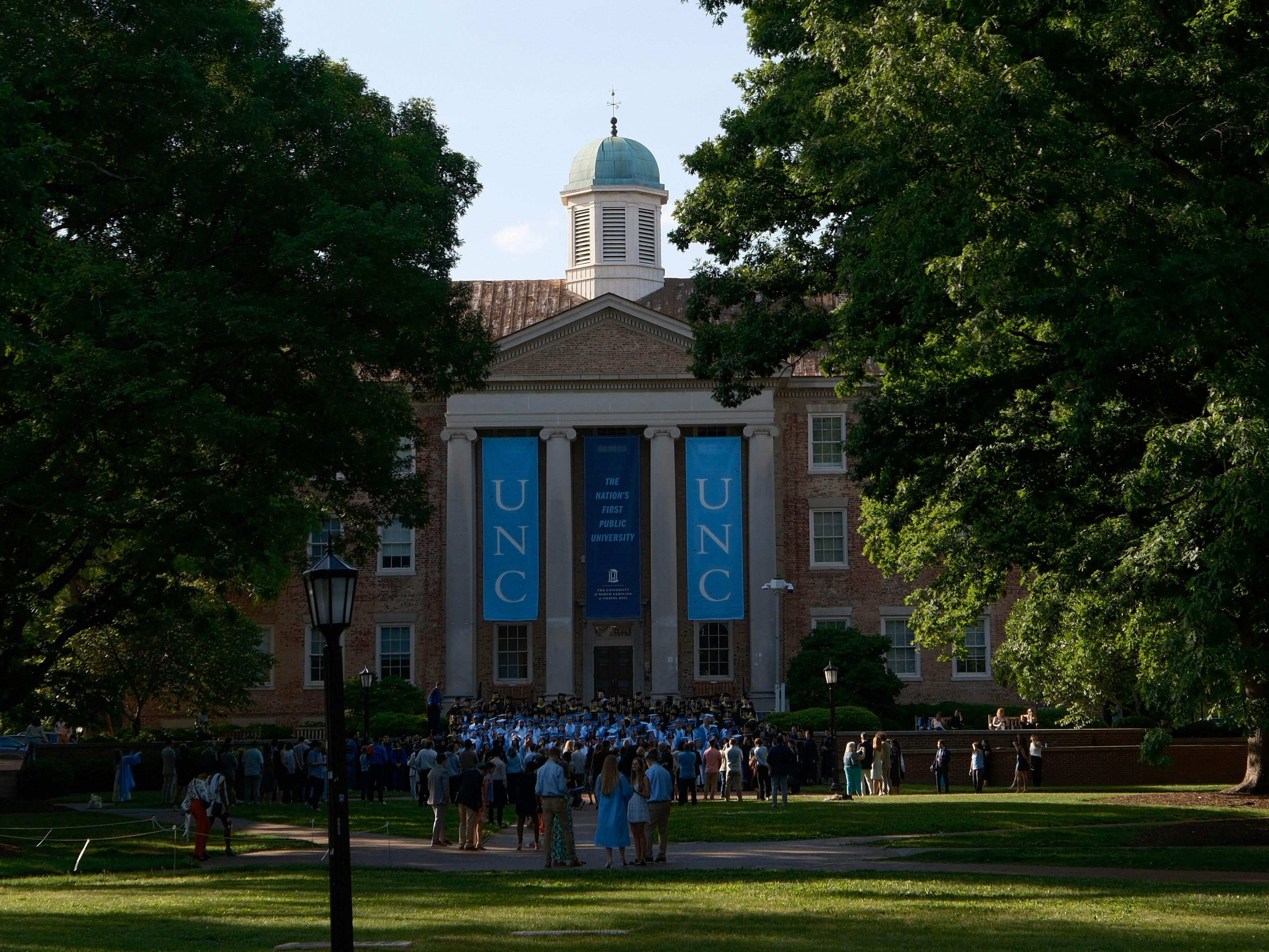
Late last year, the University of North Carolina System announced a policy requiring syllabi to be publicly available through a searchable online platform beginning in the Fall 2026 semester. Under the policy, syllabi must include core information such as course descriptions, learning objectives, grading scales and required materials. They must also outline how student performance will be evaluated and what expectations students should meet throughout the semester. Most importantly, the syllabi must be posted before the semester begins.
UNC System President Peter Hans defended the policy as a necessary response to growing public skepticism toward higher education. Encouraging professors to “stand behind our work,” Hans argued that transparency can help restore legitimacy during what he described as “an age of dangerously low trust in some of society’s most important institutions.”
UNC is hardly alone. Similar policies already exist in the University System of Georgia, Florida’s public universities, Indiana University and the University of Texas System. These institutions have recognized that providing access to syllabi does not interfere with academic decision-making. Instead, it simply makes information available that students already receive once they enroll in a course.
Still, the proposal has drawn criticism from some faculty members who argue that publishing syllabi could expose professors to harassment or political scrutiny. Others worry that outside criticism may pressure instructors to alter course content or self-censor in order to avoid controversy.
These concerns should be taken seriously. Universities have a responsibility to protect faculty who become targets of harassment or intimidation. But, transparency itself is not the cause of such behavior. Problems arise when institutions fail to defend their scholars, not when the public can see what courses require.
At its core, the case for syllabus transparency rests on a simple principle: public institutions should operate in the open.
Many universities already recognize this reality. The University of Illinois Urbana-Champaign, for example, provides faculty with guidance and institutional support in the event that they face online harassment or “doxxing” attacks. The university recognizes that such incidents can be professionally disruptive and personally difficult, and it outlines protocols for threat assessment, reporting, and response. Transparency and protection are not mutually exclusive — universities can defend their faculty while also maintaining openness about how their courses operate.
At its core, the case for syllabus transparency rests on a simple principle: public institutions should operate in the open. Taxpayer-funded universities exist because the public supports them. Course syllabi function as basic records of instruction, outlining what students will learn and how they will be evaluated. Allowing the public to access these records is not an extraordinary demand; it is a logical extension of democratic accountability. Citizens have the right to know what public institutions are doing on their behalf.
Transparency also benefits students themselves. Choosing courses often requires balancing workload, grading expectations and the cost of required materials. Some UW-Madison departments already publicly list their past syllabi. By allowing students to review syllabi before the semester begins, universities give them a clearer understanding of what each course requires.
This information can help students evaluate textbook costs, understand grading structures and determine whether a course fits into their schedule. It can also help transfer students assess whether a program aligns with their academic goals before committing to a new institution.
Opponents of transparency often frame the issue as a threat to academic freedom. But that argument misunderstands what academic freedom actually protects. Academic freedom exists to protect intellectual inquiry from censorship and political coercion. It allows scholars to teach controversial ideas and pursue truth without fear of retaliation. What it does not do is shield publicly funded instruction from public view.
Policies requiring syllabus publication do not dictate course content, ban readings or impose ideological constraints. They simply require instructors to outline the structure of their courses. Universities already publish course catalogs, learning objectives and degree requirements. Making syllabi accessible without an open records request or other hurdles would simply extend that existing commitment to openness.
More importantly, transparency may strengthen public confidence in the university. Critics of higher education often claim that professors push ideological agendas in the classroom. Universities frequently respond by emphasizing that faculty are committed to learning and the pursuit of knowledge. If that is true — and most professors would agree that it is — then universities should have no hesitation in allowing the public to see the structure and content of their courses.
For a public institution like UW-Madison, transparency should not be seen as a threat. It should be seen as an opportunity. At a time when higher education faces increasing scrutiny, openness demonstrates confidence in the integrity of academic work. By making course syllabi easily accessible, UW-Madison would reaffirm both its commitment to academic freedom and its responsibility to the public it serves.
