

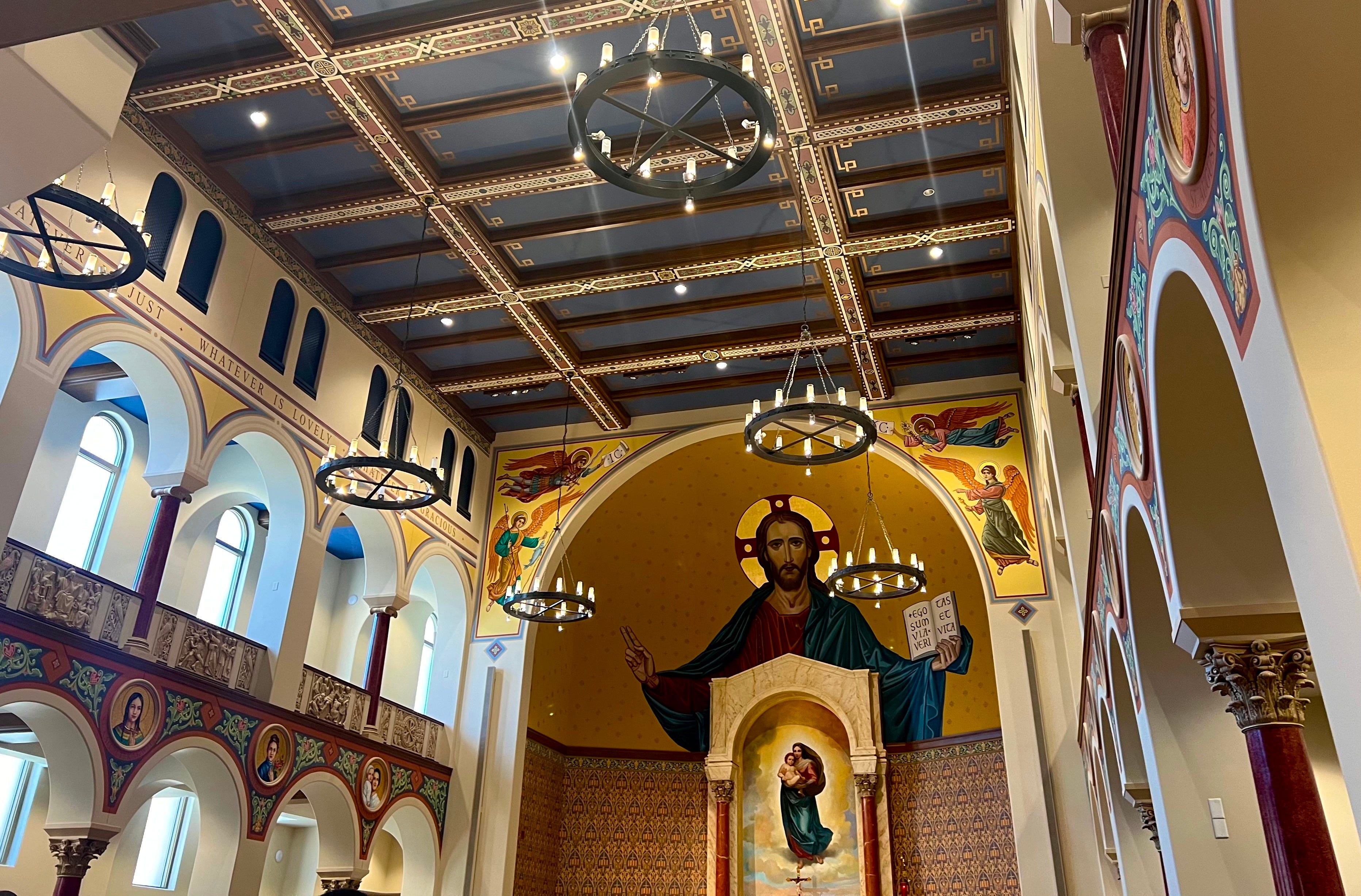
Parishes across the country are experiencing a large increase in young adults converting to both Catholicism and Orthodox Christianity. This trend has been seen in Madison, as Saint Paul’s Catholic Student Center and nearby Orthodox parishes have reported recent surges in conversions.
While some profess that this is a sign of a “religious comeback” in America, others are skeptical about how strong this religious wave really is. To get a better sense of the increasing number of converts to Catholicism and Orthodox Christianity in Wisconsin’s second-largest city, perspectives and data from both religious communities must be taken into account.
The Madison Federalist interviewed the staff involved in the Order of Christian Initiation of Adults (OCIA) program at Saint Paul’s, located near the University of Wisconsin-Madison’s campus. Saint Paul’s serves both students at UW-Madison and other young professionals in the area, so the staff said the number of people in their OCIA program has greatly grown over the last few years.
In the past, Saint Paul’s confirmed around 10 to 29 people into the Catholic Church every year. This year, they reported over 100 confirmations. The OCIA program has been breaking new records in confirmations every year since 2023. In 2025, they recorded more than 80 confirmations, and in 2024, more than 70.
Saint Paul’s staff explained that a large reason behind the increased confirmation numbers is that “it really comes down to travel sports.” Due to the increase in travel sports participation, they reported that around half of those confirmed each year were raised Catholic, but delayed their confirmation. The other half of the people in the OCIA confirmation program are converts to Catholicism. Around half of these converts are typically coming from a Protestant background, with the exception of a few converting from Orthodox Christianity. The other half of converts are those coming from non-Christian backgrounds, which have included individuals raised atheist, Hindu, Jewish and Muslim.
Many young adults in their program express a yearning for community and structure in their lives. The staff described this as a sign of the “loneliness epidemic” often experienced by Gen Z. While the staff said they have been noticing more young men becoming interested in Catholicism, conversions have generally been evenly split between the sexes. A staff member also pointed out that most female converts come from another faith. Another common theme among all of their converts is that they are “looking for something beautiful and true.”
While they are seeing an increase in people interested in the Catholic faith and the Church’s history, they are skeptical that increased confirmation numbers are a sign of a comeback of traditional Christianity, because many data points do not take into account the number of people disengaging with the faith each year.
The staff said they believe the “Catholic comeback in America” is “overstated,” especially due to the high number of people who left the faith during the COVID-19 era. Despite people leaving Catholicism, they hope to finally see more people coming into the church, which used to be scarce. From their experiences, converts are less likely to leave the Church in the future than those raised in the faith.
The staff members also believe that many people are being drawn to Catholicism from popular conservatives in public and media discourse, most notably Vice President JD Vance. In addition, they consider social media content — ranging from apologetics to Catholic influencers — to be a large factor that is drawing young people into the Church.
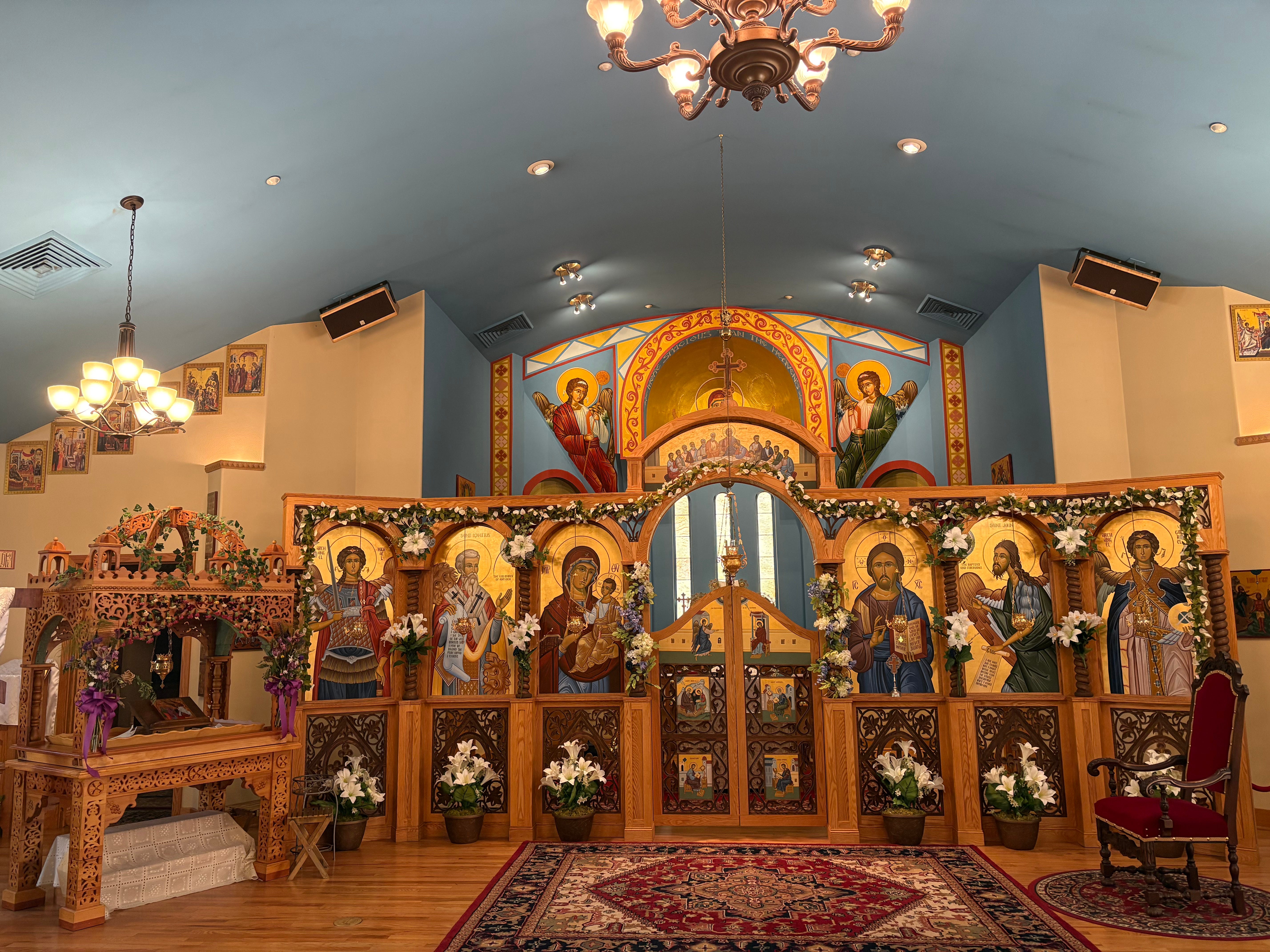
There are three Orthodox churches currently located in Madison. Fr. Gregory Jensen at Ss Cyril & Methodius Orthodox Church, located south of UW-Madison’s campus, reached out with an article he had previously written about young adult conversions, particularly concerning young men.
Jensen’s article, “Men Flocking to Orthodoxy: the Good, the Bad, and the Ugly” was published last year, and he said that there is not “enough data to support the idea that this is a mass movement.” The Orthodox Church in America largely serves immigrant communities and their children and will likely remain as a small fraction of the population.
Despite his claim, he wrote that there is increasing interest in liturgical tradition among young people, particularly young men, who have primarily not been raised Orthodox Christian. For those drawn to the Orthodox Church, he rejects the idea that it is the “masculine church,” as many women during the Soviet Union remained steadfast in their faith during a time of persecution.
Fr. John Chagnon at St. Ignatius of Antioch Orthodox Christian Church paints a slightly different picture. “We too have experienced the surge of young people, but also others coming in,” Chagnon said.
Significant portions of his congregation consist of former evangelical protestants and former atheists. He said that he used to be an Anglican pastor before converting to Orthodox Christianity. While most of their converts come from a protestant background, there have been a few converts from Catholicism over the years.
The number of converts flocking to St. Ignatius has been interesting to him since the church does not partake in “sheep stealing.” They only provide an option to those who seek them out. Additionally, teens as young as 15 and 16 years old have shown interest in conversion, whereas most converts are between the ages of 18 and 35.
Chagnon said that he prefers to take a more individualized approach for each convert, so chrismation and baptism dates can vary. This month, they will have around 15 to 20 people entering the Orthodox Christian faith.
The church has seen some young women converting to the faith, but the majority of their converts have been young men, especially those who are single. “Some of the young guys coming in have been so into their video and digital world – that it is hard for them to have actual relationships [with others],” Chagnon said.
He believes many of their converts come to them due to experiences with the Orthodox faith online, which can be both good and bad. Their young adult converts have reported a feeling of “emptiness” without a faith that adheres to tradition, instead of trying to appeal to current culture.
“Tradition is not the worshipping of ashes, but the passing on of fire,” and people are drawn to the “steadiness of the Orthodox Church,” Chagnon said. While Orthodox Christians are currently still a sliver of Wisconsin’s population, there is growing optimism about the future of the Orthodox Church in the state.
While it may be too early for some to describe this as a true religious revival, there are certainly shifts happening among young people in our society. Despite those raised in the Catholic or Orthodox faith slowly disengaging with traditional Christianity each year, Chagnon believes that the COVID-19 pandemic was a strong reminder of our own mortality, and it likely led more people to search for a deeper meaning in their lives.
