

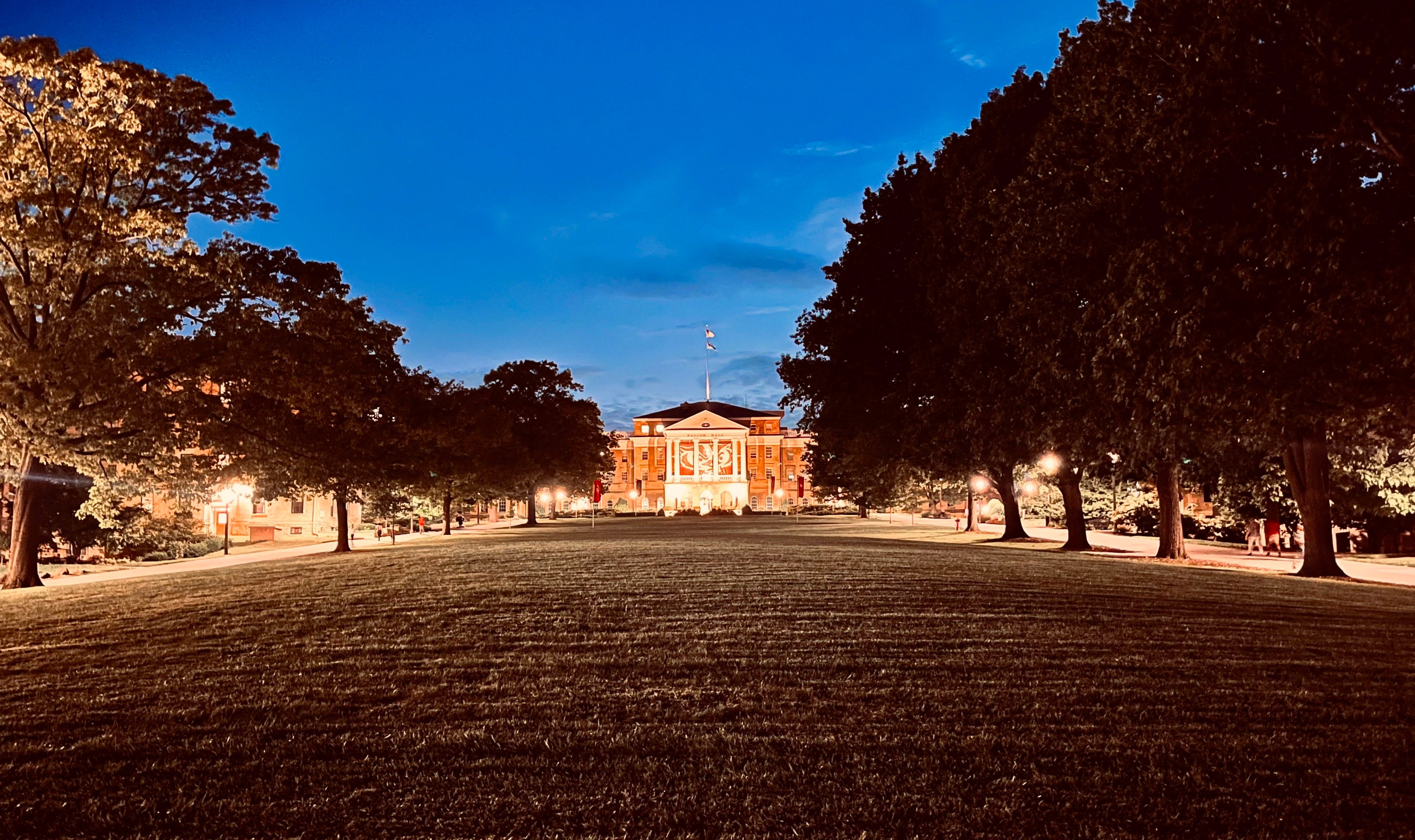
Following the announcement of Chancellor Jennifer Mnookin’s appointment as the president of Columbia University, the University of Wisconsin will now be in search of her permanent successor. Eric Wilcots, currently the Dean of the College of Letters & Science, was named the interim chancellor effective May 17.
While no timeline has yet been announced, UW System Board of Regents President Amy Bogost will likely name the Special Regent Committee, consisting of at least three regents, in the coming months. This will officially start the selection process. The Special Regent Committee will determine the qualifications necessary for a chancellor as it prepares a prospectus, or leadership profile.
Regent Edmund Manydeeds III, who served as the Regents President during the search resulting in Mnookin’s appointment, recalled in a phone interview with The Madison Federalist, “The first thing we had to do was just determine what we were looking for in the flagship.” Highlighting the importance of UW-Madison and everyone who takes pride in the university, he added, “We had to do what was in the best interest of the campus.”
UW System President Jay Rothman will work in conjunction with Bogost to appoint the Search and Screen Committee, which will actively comb through potential candidates. This committee, led by the Special Regent Committee, will include other regents as well as faculty, students, staff representatives, administrators, alumni, and community representatives. The diverse group will broadly represent the interests of the campus and community and will be dedicated to identifying and recommending the best candidates for the chancellorship.
The search process will also include listening sessions to provide staff, faculty, alumni, and students with the opportunity to share their input. “The input of campus stakeholders is extremely important to the search process and will carry a lot of weight as the committee meets with candidates and deliberates on this decision,” then Regent Vice President and current Board member Karen Walsh said during the last search’s listening sessions.
Manydeeds emphasized that the campus reaches out to the entire state by way of the Wisconsin Idea, including its medical program, extensions, and research upon which companies both within the state and nationally are dependent. He added that, through shared governance, everyone interested in the chancellor’s qualities should have a chance to voice their thoughts.
Based on the input received, the Search and Screen Committee will interview semi-finalists as they build a list of qualified individuals. These individuals will be recommended to the Special Regent Committee, which will decide who will be invited to continue in the selection process.
The Special Regent Committee will interview the finalists and schedule campus visits for Q&A sessions with the finalists that are open to the public. The committee and Rothman will recommend one of the candidates as the next chancellor to the Board of Regents, requiring the Board’s unanimous approval to confirm the candidate’s appointment.
Manydeeds recalled that there is always something that stands out in a successful candidate. With Chancellor Mnookin, it was her confidence, background, and prior success at UCLA, on top of doing her homework to understand what was important to the university and the state.
Until then, Wilcots will be at the helm of the university. Recent history would suggest that Wilcots may not be in the interim position for long. The previous interim chancellor, John Karl Scholz, served for just two months between Rebecca Blank and Jennifer Mnookin in 2022.
However, considering the limited time ahead of the next school year, the situation more closely reflects David Ward’s two-year tenure as interim chancellor from 2011 to 2013. Similar to Ward before him, Wilcots has been with UW-Madison for over 30 years in faculty and leadership roles, providing much-needed stability at a consequential time for the university.
As the university looks ahead, Manydeeds pointed to the dedication and sacrifices of those involved in the search. “The people are going to take time from their lives and their businesses to help this campus find a really good chancellor,” he said. “People think that regents just go to meetings and rubber-stamp policies, and that’s essentially false. These people are all very successful. They’re not paid. They’re public servants, and they spend hours and hours trying to make sure that the system is the best system that we can have.”
