

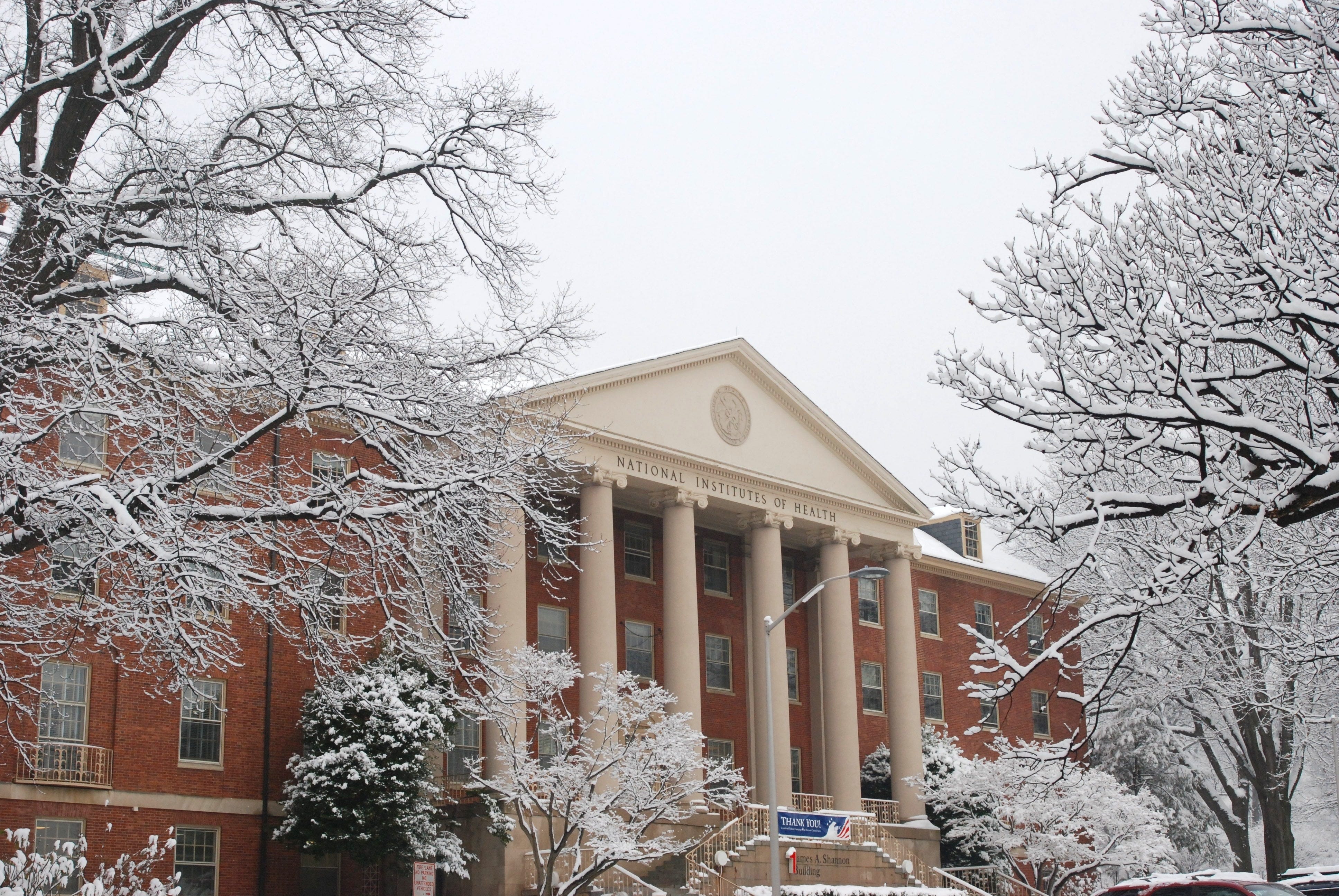
Federal funding for fetal tissue research was halted at the University of Wisconsin-Madison earlier this year due to updated policy guidelines from the National Institutes of Health. According to UW-Madison’s research page, NIH funds no longer permit human fetal tissue from elective abortions to be used in research. The change was effective in January 2026.
The U.S. Department of Health and Human Services (HHS) “ended the permitted use of human fetal tissue from elective abortion in agency-funded research” on January 23, 2026. This policy follows the Trump Administration’s “priorities to uphold the sanctity of human life and modernize biomedical science.”
The NIH distributes most HHS medical research funding. It has “long maintained policies governing the responsible and limited use of human fetal tissue in biomedical research” according to the press release. However, “NIH supported research using human fetal tissue has been in sharp decline since 2019.” It only supported 77 projects in fiscal year 2024.
“The science supports this shift, the ethics demand it, and we will apply this standard consistently across the Department,” HHS Secretary Robert F. Kennedy, Jr. said in the press release.
According to the NIH, “this policy update underscores the Administration’s commitment to scientific excellence and responsible stewardship of taxpayer dollars.”
Anita Bhattacharyya, an associate professor at UW-Madison, and her research group were affected by the NIH’s policy. “We were surprised by the ‘effective immediately’ announcement, as it gave us no time to respond and prepare,” Bhattacharyya said to The Federalist in an emailed statement.
Bhattacharyya’s research group conducted experiments using “post-mortem fetal brain tissue to understand how the brain develops differently in neurodevelopmental disorders” and “conditions that cause intellectual disability, such as Down syndrome and some genetic forms of autism.” Bhattacharyya explained that the brain forms prenatally, so this stage is when mistakes - or differences - usually occur.
Her group also identified mistakes in brain development by using human stem cells. “We need to validate that the things we see in cell culture are truly happening in the brain,” she said. “We need this comparison to be able to potentially replace the use of fetal tissue.”
The results from these experiments “have the potential to inform therapeutic strategies that can improve cognition and daily life for these individuals” and “will also provide insight into how the human brain forms.” Bhattacharyya said that this announcement only applies to NIH funding, and “it’s not a law.”
She believes the NIH should have communicated with the “scientific community” before the suspension. “Engagement with researchers in advance of policy changes helps ensure that NIH’s decisions are grounded in the latest scientific evidence and that the agency is fully informed about which lines of research may be constrained or lost due to its changes in oversight.”
Bhattacharyya has stopped receiving tissue and is not conducting research using the NIH funding.
“None of the experiments we do are illegal,” she said. Fetal tissue research continues to be “governed by a well-established ethical and legal framework that includes rigorous scientific review, robust informed consent, and prohibition of profit from tissue donation.”
The policy shift has been praised by advocates for the unborn. “Scientific research must always advance in ways that respect the inherent dignity of human life,” said John Shelton in a statement to The Madison Federalist. Shelton is the vice president of policy at Advancing American Freedom, a think tank founded by former vice president Mike Pence.
AAF has frequently criticized HHS under the second Trump administration, but Shelton said, “HHS deserves credit for barring taxpayer funding from destructive fetal tissue research and directing scientific research toward more ethical alternatives.” He believes, “The administration must do more to promote a consistent culture of life that protects both pregnant mothers and their unborn children.”
After “decades of technological advancement” there are “ethical alternatives to the continued dependence of research upon the intentional destruction of human embryos,” Shelton said. “A humane bioethics agenda would promote investment in these alternatives as a critical opportunity to protect the rigor and reputation of the scientific discipline.”
The NIH Office of Science Policy and UW-Madison administration did not respond to a request for comment from The Federalist.