

The views expressed in this article are solely those of its author.
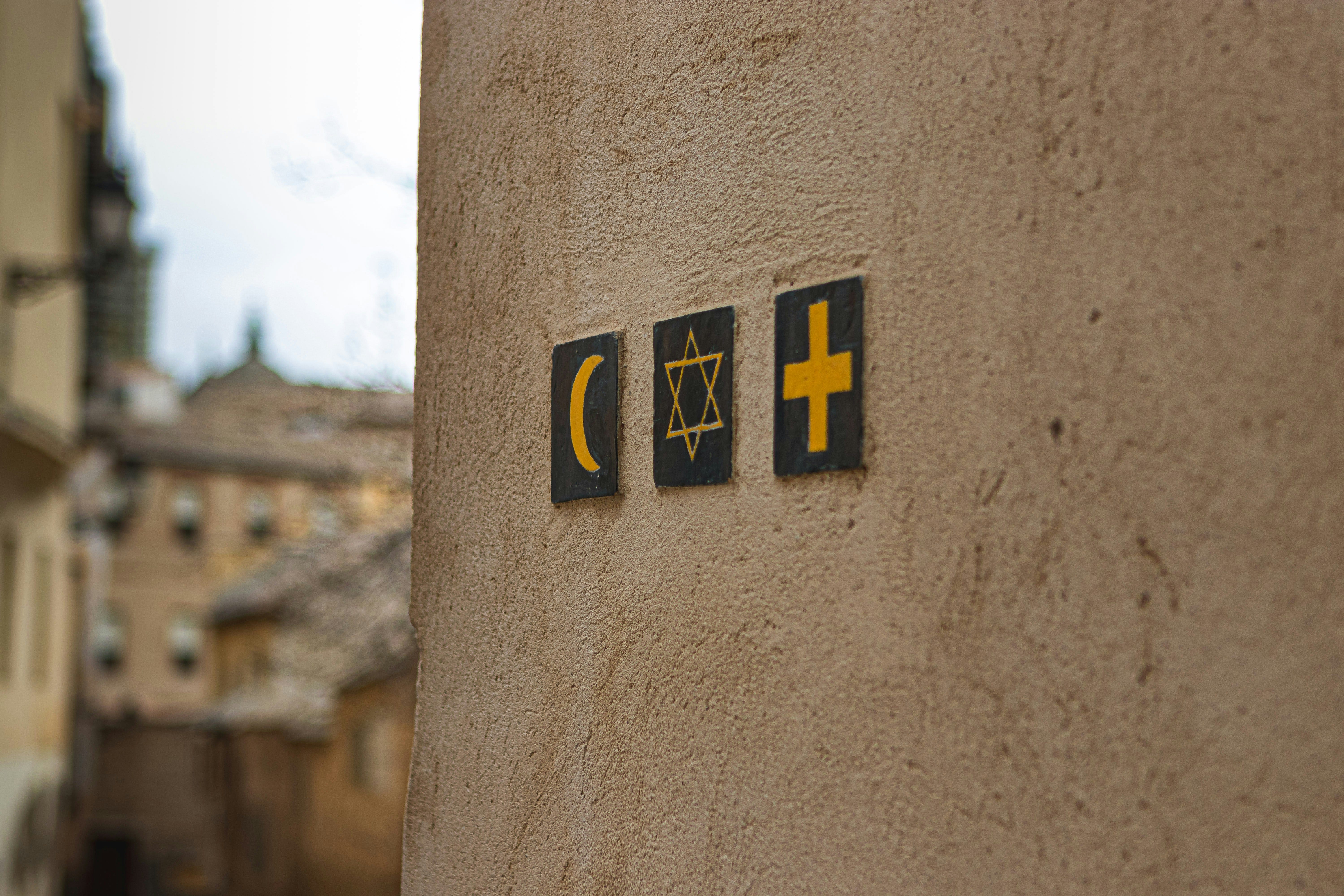
Across history, religion has been central to society, and it has both alleviated conflict and served as a catalyst for it. Some of the most famous conflicts have been between the followers of the world’s two largest religions: Christianity and Islam.
Christianity can trace its roots to Judaism and the Messiah, Jesus Christ of Nazareth. Christians believe that Jesus is the Son of God who was born of the Virgin Mary. Jesus’ purpose is to restore our relationship with God and to redeem us from our sins by dying on the cross. He rose from the dead, and now Christians are waiting for His second coming to judge the living and the dead.
To get to heaven, Christians must live according to the Ten Commandments and the teachings of the Bible, which include Jesus’ lineage and parables, while also doing good works such as treating others as they wish to be treated and caring for the poor. Christians also believe in the Holy Trinity, which is God in three persons: the Father, the Son, and the Holy Spirit.
Islam originated on the Arabian Peninsula and can also trace its roots to Judaism. They believe that Muhammad is the final prophet who received divine revelation from the angel Gabriel in 610 A.D., which was recorded in the Quran– Islam’s sacred text. Muhammad attracted many followers by spreading his message of equality, monotheism, and compassion.
Muslims believe in the five pillars of Islam: faith, prayer, almsgiving, fasting, and pilgrimage. Muslims perform ritual prayers five times a day, give a portion of their wealth to those in need, observe fasting during Ramadan, and undertake a pilgrimage to Mecca once in their life.
The long-running conflict between Muslims (Moors) and Christians in Iberia is known as the Reconquista. It lasted around 770 years and was driven by a Christian desire to reclaim Iberia from under Muslim rule. Christians expanded their rule southward and conquered most Islamic states in Iberia before the end of the Reconquista in 1492, when Spain was united under the rule of Queen Isabella and King Ferdinand II.
In 1609, King Philip III of Spain worried about the loyalties of the Christian converts who were of Muslim descent, so they were driven out to ensure religious unity.
Religious conflict is not solely between Muslims and Christians. There have also been conflicts and suffering within religious groups. In 1618, Christians fought Christians over denominational differences. There have been numerous European wars of religion, such as the Thirty Years’ War between Catholics and Protestants. The war began after Emperor Ferdinand II of the Holy Roman Empire tried to suppress Protestants and enforce Catholicism, which led to a political struggle for power.
Islam’s branches, Sunni and Shia, are another example of this kind of conflict. Both branches share core beliefs and traditions while differing on Muhammad’s succession and other issues.
In Nigeria, there have been recent disputes between Christian farmers and Muslim herders in the Middle Belt region, but living conditions for both sides have escalated due to weak governing and depleting resources. The core issue in this region is over land use rather than religious differences. As environmental conditions in the Sahel Region and the Sahara Desert deteriorate, land has become increasingly valuable, so many communities are fighting to farm and graze on the usable land.
Muslims and Christians in this region may be motivated by their faith, but the leaders and the inherent causes are more important to the conflict. Faith can be a dividing factor, but it is not always the root cause. Rather, it exacerbates existing tensions, and it can be used by those in power for their personal gain or for their community’s benefit.
Many of the United States’ founders were Christian, which influenced the laws and principles of the country. However, the freedom of religion in the U.S. is a fundamental right, which is evident from Benjamin Franklin and Thomas Jefferson’s writings. During the period of exclusion acts and national quotas, there was clear discrimination against many groups of people, including Muslims, with many Americans viewing them as undesirable to have in the country.
In the U.S., the Muslim population has been consistently increasing. Many Muslims come from places such as Lebanon, Syria, Pakistan, India, and Somalia in hopes of fleeing persecution, war, or other adverse conditions in their homelands. Recently, opposition to Muslims in the U.S. has often originated from people’s personal prejudices.
One inference is that religious differences are not themselves the cause of conflict, rather, they are used by those in power as a justification for their own gain. Even though the two groups differ on faith, they often agree in their daily lives and on ideas of right and wrong. Faith can increase existing differences among people, which can cause violence and discourse to escalate.
Another problem is radicalism. Extreme religious advocates don’t reflect the entire group, but they can cause conflict to arise where it would not have arisen normally. This can often make it difficult to determine whether something is motivated by faith, power, or greed.
Religion has historically been used to justify causing harm and division, so it is important to do things in the name of faith for the right reasons.
