

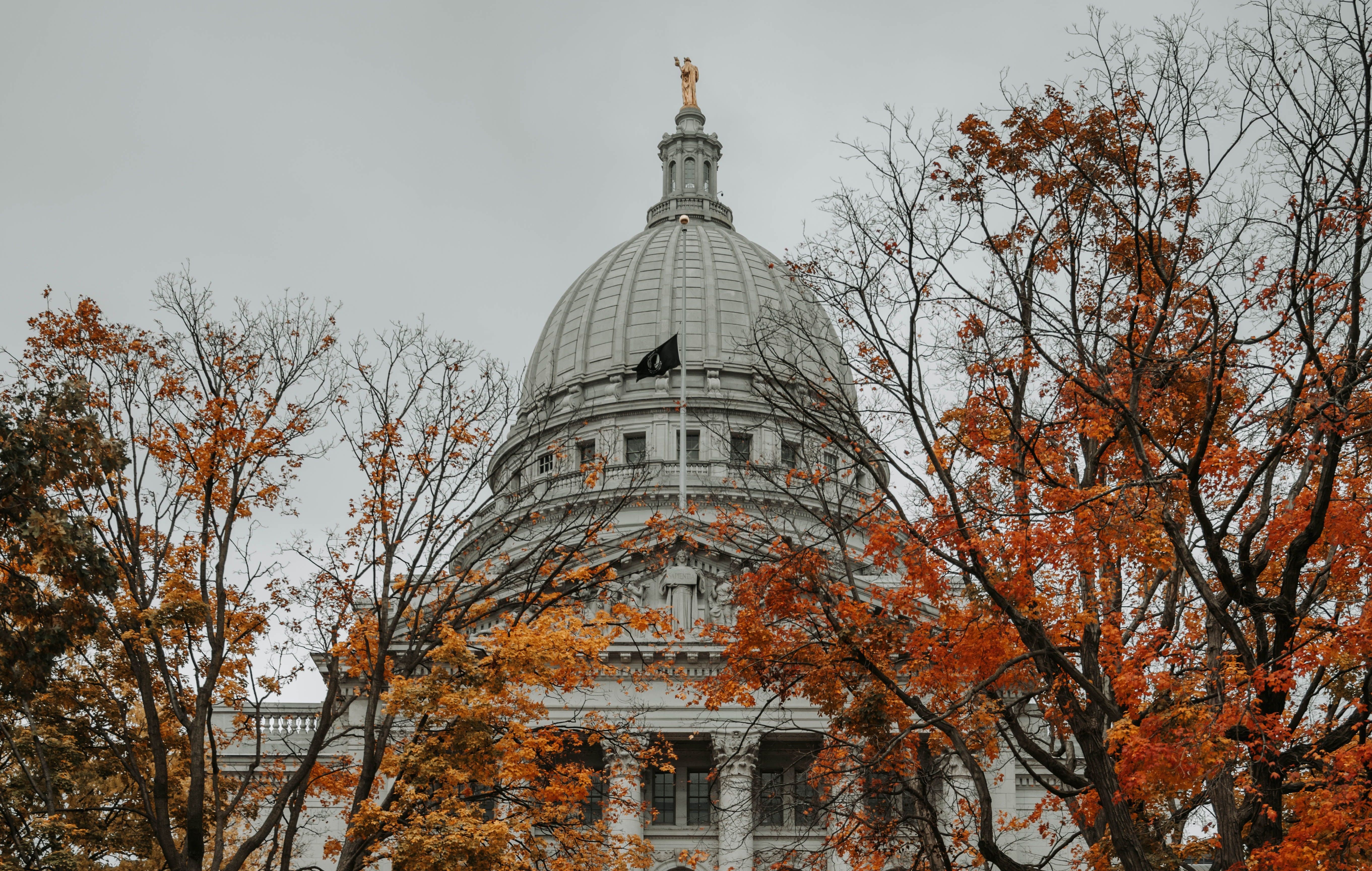
Wisconsin voters will decide this November whether to amend the state constitution to prohibit governmental entities from discriminating against or granting preferential treatment to any individual or group based on race, sex, color, ethnicity or national origin.
The Wisconsin Prohibit Government Discrimination or Preferential Treatment Amendment applies to public employment, education, contracting and administration, including the Universities of Wisconsin and the University of Wisconsin-Madison. While DEI has been a highly controversial issue in state and national politics, the question has particular importance for our campus and its financial priorities.
The UW System spent an estimated $40.2 million in fiscal year 2023 to 2024 on offices with job duties pertaining to DEI, according to a 2025 report by the nonpartisan Legislative Audit Bureau. The audit cautioned that its cost categories overlap and cannot be added together to calculate a single total for DEI spending. It also reported that institutions listed 1,263 DEI-related activities from January 2020 through April 2024, of which 403 focused on students.
The audit raises serious questions about whether these programs are delivering enough value for students and taxpayers. The audit’s activity list included research examining whether states with female governors had fewer COVID-19 deaths than states with male governors.
It also included a Graduate School workshop, “Niceness Is Not Anti-Racism: How White Aspiring Allies Can (and Must) Step Up Their Game.” The workshop intended to encourage white allies to think more deeply about allyship. Both in-state and out-of-state students in the UW System should expect greater transparency and accountability for the money that supports their education.
Students at UW–Madison and across Wisconsin have an opportunity to weigh in at the ballot box this November. By voting yes on AJR 102, voters can limit race and sex-based preferences in public institutions and press university leaders to prioritize student-centered spending.
The premise behind diversity, equity and inclusion in higher education is to improve access and outcomes for students who have faced barriers. While socioeconomic mobility and investment in education are important, the UW System has used DEI too often to justify expenditures that favor administrative interests over the education of the disadvantaged students they claim to help.
UW–Madison announced in July 2025, that it would sunset its Division of Diversity, Equity & Educational Achievement as a freestanding division and move many of its functions into other units. Then-Chancellor Jennifer Mnookin said scholarship-linked student support programs would continue, with academic support moving to the Division for Teaching and Learning and financial support programs moving to the Office of Student Financial Aid.
For that reason, it is important for voters to consider AJR 102’s specific language, which would prohibit governmental entities from discriminating or granting preferential treatment based on race, sex, ethnicity, color or national origin. Supporters argue that this would close loopholes that allow identity-based preferences to persist; that remains a central question for voters.
Despite repeated efforts by lawmakers to reduce DEI-related bureaucracy in the UW System, the broader challenge is institutional continuity. UW-Madison is now led by Interim Chancellor Eric Wilcots after Mnookin’s departure in May. The Board of Regents, the Legislature and the chancellor’s office can change hands. These transitions can alter policy direction and weaken accountability for earlier decisions. Wisconsinites have a chance to set a constitutional standard through this amendment, which supporters say would protect taxpayers and students from unnecessary spending.
AJR 102 does not use or define the term “DEI.” The 2025 audit found that the UW Board of Regents and UW System administration did not require a systemwide definition of DEI, and institutions implemented related activities differently. The audit also found that institutions did not centrally track the total amounts spent specifically to implement those activities.
This lack of consistent definitions and tracking makes meaningful oversight difficult. The proposed constitutional amendment would require UW System officials and lawmakers to follow its restrictions on discrimination and preferential treatment. It would not, by itself, prescribe a budget or eliminate every student-support program.
Financial responsibility is not just about cutting expenses. It is also about choosing which programs, infrastructure and resources are worth investing in. The amendment does not expressly ban financial aid, first-generation access, tutoring or mentorship programs, though programs that use protected characteristics as eligibility criteria could face legal scrutiny.
The UW System and UW-Madison can expand access by directing more resources toward programs based on financial need and academic support. At a time of tuition increases and budget constraints, students have every right to demand that their tuition and public funding directly support their education.
Students have historically voted at lower rates than older adults, but that can change this year. Regardless of politics or party affiliation, voting on the Wisconsin Prohibit Government Discrimination or Preferential Treatment Amendment on Nov. 3 is an opportunity to decide how Wisconsin’s public institutions should approach equal treatment, accountability and student spending.
