

On October 12th, Students for Justice in Palestine (SJP) and the Palestinian Student Union (PSU) collaborated to publish a “Madison Boycott Guide” on Instagram.
The guide highlighted several ongoing local and national boycotts against businesses deemed complicit in the alleged “genocide, ethnic cleansing, apartheid, and attempted cultural erasure of Palestine” while encouraging Madison consumers to shop at listed alternatives.
At the University of Wisconsin-Madison, the guide has sparked conversation among students and community members. Activists in support of the guide have praised SJP and PSU for its publication. Various Instagram users responded to the guide’s post, praising and thanking the group. One user even commented “From Monona to Mendota, no more cash to meet their blood quota.” For student activists, selective spending is seen as a tangible extension of their political beliefs, allowing them to channel national and international protest movements directly into their daily routines.
However, many also reject the boycotts. One Instagram user responded to the post, “Madison is the softest place I’ve ever lived in my life. Vegans will cry abuse and look the other way on capital street when someone needs help. White people will cry ‘say his name!’ and lock their doors when a poc walks by them at a stop light.”
Local business owners, speaking on background, expressed frustration over being drawn into complex geopolitics, arguing that small, locally operated food carts and restaurants have no influence over foreign government policies or international conflicts.
The list explicitly discourages supporting Israeli-owned or pro-Israel companies, reflecting a growing anti-Zionist sentiment among young progressives. For the activists, ownership by an Israeli, operation in Israel, or even ties to Israel-based producers and manufacturers is sufficient to boycott a company. At the local level, the guide singles out several well-known Madison eateries and culinary vendors that maintain Israeli ties or rely on supply chains anchored in the region.
Despite the detailed nature of the Instagram guide and the discussions it has sparked across campus, local revenue trends suggest that boycotters have had a very limited economic impact on targeted businesses thus far.
Among the most prominent targets is Banzo, a North Side restaurant and food cart operation co-owned by Israeli-born Netalee Lev Sheinman alongside her husband, Aaron Collins. Originally launched as a single food cart in 2011 before expanding to a permanent storefront, Banzo built its reputation on Mediterranean street food. Banzo’s staple dish and bestseller, the Banzo pita sandwich, is deeply rooted in traditional Israeli street food — which Sheinman experienced firsthand in Israel.
Activist groups drew critical attention to the restaurant’s sourcing practices, pointing to research from accountability database Who Profits, an independent research center, specifically dedicated to exposing the commercial involvement of Israeli and international corporations in the ongoing Israeli occupation of Palestinian and Syrian land and population. In a Capital Times podcast, Sheinman revealed that while nearly all menu items are crafted from scratch, Banzo’s signature pita bread is imported directly from Jerusalem-based Angel Bakeries, Israel’s largest commercial baker. Instagram user Bailey Beaver pointed to the business’ appearance on a U.N. list of companies involved in activities related to Israeli settlements.b
Collins had previously defended the choice of manufacturer in a feature with Channel 3000’s Madison Magazine, calling Angel Bakeries’ products the best in the world and noting that attempting to bake pita locally would amount to a quality downgrade. For student activists, however, the financial transaction connecting a Madison campus favorite to a major Israeli manufacturer represents an unacceptable link in the economic chain. One Instagram user commented, “Devastated about Banzo, gonna add them to my “no-go” catering list now though.” Another responded, “Damn did not know that about banzo! Thank you for sharing! will never go again.”
Another local business featured prominently in the guide is Toast, a popular food truck founded in 2013 by husband and wife duo Molly and Gili Vaknin. The business’s “About” page discusses Toast’s central identity through co-owner Gili’s Israeli heritage, specializing in hot-pressed paninis inspired by the casual panini-style cafes found throughout Israel. The owners directly nod to their Israeli roots with the name “Toast,” a Hebrew term for a pressed panini sandwich. Because of these cultural connections and the truck’s occasional display of the Israeli flag, Toast has become a visible focal point for student boycott organizers seeking to challenge pro-Israel representation in the local food scene. “I remember seeing the Toast food truck flying a big Israeli flag too, immediately stopped going,” one student said in the comments of SJP and PSU’s Instagram Boycott Guide post.
The guide also targets Naf Naf Grill, a Mediterranean chain with local storefronts catering heavily to college students. The chain was co-founded by former Israeli Defense Forces soldier Sahar Sander — who had completed mandatory military infantry in the Golani Brigade. As a Tel Aviv native, Sander’s culture inspired Naf Naf, serving Middle Eastern, SWANA, and Palestinian culinary staples. Organizers accused the establishment of commercializing traditional regional dishes while marketing them under an Israeli brand identity, framing it as cultural appropriation alongside a direct connection to military service. Instagram comments include responses criticizing the chain. “Omg no wonder why naf naf was some ass food, idf rations type kithcen.” “Damn…even nafnaf? Welp, say no more.”
Beyond local establishments, the boycott guide devotes substantial focus to corporate chains and fast-casual dining spots that form a staple of undergraduate life. National brands are targeted either due to corporate statements made by top executives, contentious labor practices, or occasional support of the Israeli military through international franchises.
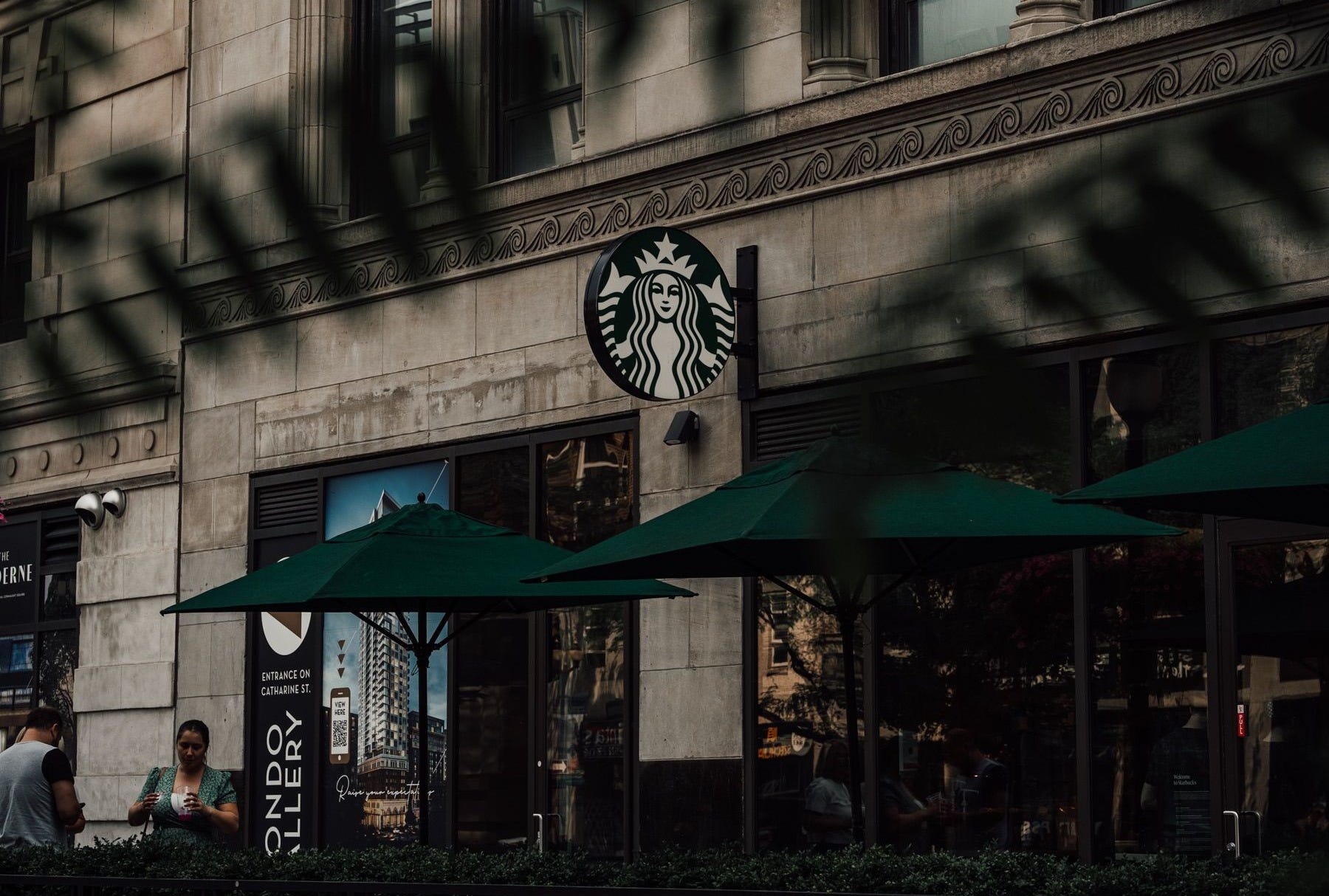
Starbucks faced scrutiny about vague corporate Israeli ties and actions taken. The company’s former CEO and billionaire Howard Schultz is both Jewish and a supporter of American-Israeli relations.
The company has also faced opposition following union-busting claims. In October of 2023, the union representing the company’s workers, Workers United, released a social media post implying Starbucks’ support of terrorism and exploitation of Middle East conflict to advance an anti-union campaign. The company responded with a federal lawsuit for trademark infringement, and in a letter from Executive Vice President Sara Kelly to employees, “condem[ed] acts of hate, terrorism, and violence” on both sides of the war. This move incensed student activists, who drew connections between corporate labor suppression — including long-standing allegations of union-busting, employee intimidation, and store closures — and corporate opposition to Palestinian solidarity movements.
Fast-casual salad chain Sweetgreen was similarly added to the local boycott guide due to statements made by its CEO and co-founder, Jonathan Neman. Of Persian-Jewish descent, he has frequently spoken publicly about his Jewish faith and personal connection to Israel. In October of 2023, Neman drew backlash for an X repost of hedge fund manager Bill Ackman, who called for the public identification of Harvard students issuing statements supporting Hamas’s actions. Advocating for the release of their names so that he could “know to never hire these people,” Neman received hateful commentary from pro-Palestinian supporters. Not only does his Jewish identity raise red flags for supporters, his social media activity has sparked online hatred. For student organizers at UW-Madison, patronizing Sweetgreen is viewed as directly enriching an executive who sought to penalize student speech. One comment stated “FUCK there goes my sweet greens points.”
Additionally, major fast-food corporations including McDonald’s, Burger King, Domino’s, Pizza Hut, and Papa John’s appear on the guide under the broader framework of the international Boycott, Divestment, Sanctions (BDS) movement. In the wake of the October 7th attacks and the subsequent military campaign in Gaza, McDonald’s in Israel made headlines for offering free meals, direct financial contributions, and official endorsements to IDF soldiers. Calls to boycott McDonald’s began in 2023 after the company’s Israeli franchises announced they were giving away free food to Israeli occupation forces. Domino’s also openly provided free meals to the Israeli army during the military operations in Gaza, and Pizza Hut’s operations in settlements in the occupied West Bank and East Jerusalem raise concerns for boycotters. Even though individual franchises operate independently across global markets, student organizers argue that corporate parent companies must be held accountable for brand equity that sustains military operations abroad.
Recognizing that student spending extends far beyond dining out, the Instagram guide provides a detailed blueprint for navigating local grocery store aisles, urging students to carefully read product packaging and research parent companies before making everyday purchases.
Among the most recognizable brands on the boycott list is Sabra hummus. Its former half-owner faced criticism over its historic financial support and care package donations sent directly to IDF military units, specifically the Golani and Givati Brigades. Sabra was previously 50 percent owned by the Strauss Group, a major Israeli food manufacturer.
The guide also flags artisanal spice and condiment brand New York Shuk. Founded by Ron Arazi, a chef who grew up in a Moroccan-Lebanese Jewish family in Israel and trained in an established Israeli kitchen, and his wife Leetal Arazi, who studied culinary arts in Israel, the Brooklyn-based company markets authentic Middle Eastern pantry spaces. Activists argued that the brand packages Middle Eastern food traditions through an Israeli commercial lens.
Zahav Foods, co-owned by Israeli-American celebrity chef Michael Solomonov and business partner Steve Cook, is also marked for boycott. Solomonov, who was born in Tel Aviv and raised in both Israel and Pittsburgh, famously pivoted his culinary career toward celebrating Israeli food traditions after his brother, David Solomonov, an IDF soldier, was killed while serving in 2003. Activists argue that consumer products under the Zahav brand actively romanticize the state of Israel and its military culture.
The list also flags Kibbutz-owned Dorot Gardens, an Israeli brand established in 1992, which produces pre-portioned frozen herbs and garlic. Similarly, products distributed by Roland Foods that are crafted or sourced directly within Israel are tagged for exclusion.
Even popular specialty grocery chains are not exempt from the guide’s reach. Activists highlight specific imported items at Trader Joe’s, including Trader Joe’s Bamba Peanut Snacks — which are manufactured in Israel where Bamba is the country’s best-selling snack- and Trader Joe’s Israeli Feta. It is made by a fourth generation cheesemaking family in Israel, a historical connection that Trader Joe’s actively promotes on its packaging, and one that activists argue directly profits an “apartheid” economy. As seen with previous brands, the sole existence of a business in Israel is objectionable to the group.
Foot traffic at targeted local spots like Banzo and Toast remains steady, buffered by non-student patronage and long-standing community support. For multi-national corporations like Starbucks and McDonald’s, global financial reports indicate that white regional franchises in the Middle East faced measurable losses, domestic locations in North American college towns have seen minimal top-line disruption attributable strictly to student boycotts.
They emphasize that their primary focus remains on serving quality food and employing local workers, expressing concern that hyper-local targeting damages small business owners without effecting real change overseas.
For student organizers, however, immediate economic devastation is not the sole metric of success. Activists emphasize that the primary goal of publishing the boycott guide is to raise political consciousness, educate consumers on corporate supply chains, and build a lasting culture of ethical decision-making among young people.
“I try to follow the guide whenever I go grocery shopping or grab lunch between classes,” said one UW-Madison sophomore who asked to remain anonymous. “Even if my individual decision doesn’t close down a company overnight, continuing to spend money at places that support apartheid just feels impossible once you know the background.”
At the same time, uncertainty remains among the broader student body regarding the scope and long-term efficiency of consumer boycotts.
The publication of the “Madison Boycott Guide” underscores a fundamental shift in how modern youth activists engage with global conflicts. Today’s student movements increasingly utilize social media tools to transform everyday consumption into a form of continuous political speech.
While business operations across Madison continue mostly uninterrupted, and the immediate financial strain on targeted establishments remains minor, the presence of the boycott list serves as a persistent reminder of the political division on campus. Whether these consumer boycotts will gain enough sustained momentum to alter local commercial dynamic remains to be seen. However, as student activists deepen their ideological resolve, local businesses and corporate brands alike face a youth demographic that is increasingly willing to scrutinize every dollar spent.
